
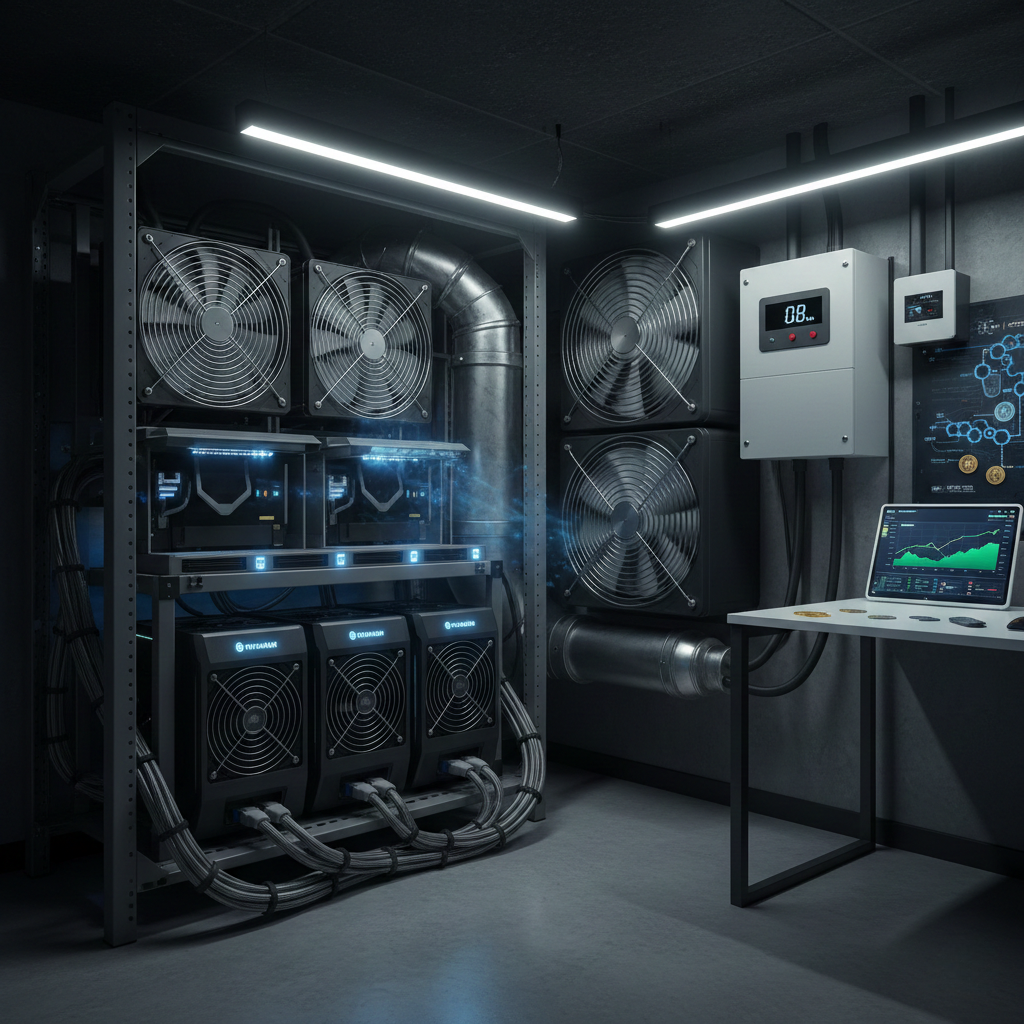
Cryptocurrency mining has evolved from a hobbyist activity into a sophisticated operation requiring careful planning and realistic expectations. If you’re considering starting a home mining operation in 2025, you’re entering at a pivotal moment in the industry’s history. The 2024 Bitcoin halving has fundamentally changed profitability dynamics, making energy efficiency and strategic planning more critical than ever.
This comprehensive guide walks you through everything you need to know to start mining at home successfully—from understanding the basics to selecting equipment, configuring software, and optimizing your operation for maximum profitability.
Understanding Cryptocurrency Mining: The Basics
Before investing a single dollar in mining equipment, you must understand what cryptocurrency mining actually involves and whether it’s right for your situation.
What Is Cryptocurrency Mining?
Mining is the computational process that secures cryptocurrency networks and validates transactions. Miners use specialized hardware to solve complex mathematical puzzles. When a miner successfully solves a puzzle, they add a new block of transactions to the blockchain and receive newly minted cryptocurrency as a reward.
Key Concepts Every Beginner Must Know:
Hashrate: The computational power your mining hardware produces, measured in hashes per second (H/s). Higher hashrates increase your chances of mining blocks. For Bitcoin mining, hashrate is typically measured in terahashes per second (TH/s).
Mining Difficulty: A network parameter that adjusts approximately every two weeks to maintain consistent block times. As more miners join the network or hardware becomes more powerful, difficulty increases, making blocks harder to find.
Block Reward: The amount of cryptocurrency awarded for successfully mining a block. Bitcoin’s block reward halved from 6.25 BTC to 3.125 BTC in April 2024, dramatically impacting profitability calculations.
Energy Efficiency: Measured in joules per gigahash (J/GH) or joules per terahash (J/TH). This metric indicates how much electrical energy your hardware consumes to produce one unit of hashrate. Lower numbers are better—this is now the most critical specification for profitable mining.
The Post-Halving Reality
The 2024 Bitcoin halving cut mining rewards in half, forcing inefficient operations offline. For home miners in 2025, this means:
- Only the most energy-efficient hardware remains profitable
- Electricity costs now represent 60-70% of operational expenses
- ROI periods have extended significantly (12-24 months typical)
- Competition has intensified as industrial farms upgrade equipment
Understanding whether Bitcoin mining is still profitable in 2025 requires honest assessment of your electricity rates, available capital, and long-term market outlook.
Step 1: Assess Your Home Mining Viability
Not every location or situation is suitable for home cryptocurrency mining. Before purchasing equipment, evaluate these critical factors:
Electricity Cost Analysis
Your electricity rate is the single most important variable determining mining profitability. To find your true cost:
- Review your electricity bill for the per-kilowatt-hour (kWh) rate
- Include all fees, surcharges, and taxes in your calculation
- Note whether you have time-of-use (TOU) pricing with variable rates
- Contact your utility to confirm rates won’t increase substantially
Profitability Thresholds:
- Below $0.08/kWh: Excellent conditions for most miners
- $0.08-$0.12/kWh: Viable with efficient equipment only
- $0.12-$0.15/kWh: Marginal—requires premium efficiency miners
- Above $0.15/kWh: Generally unprofitable for home mining
Use the Mining Watchdog calculator to model your specific profitability based on your electricity rates and chosen hardware.
Available Power Capacity
Bitcoin ASIC miners require significant electrical power:
Power Requirements:
- Entry-level miners: 1,000-2,000 watts
- Mid-range miners: 2,000-3,000 watts
- High-performance miners: 3,000-5,000+ watts
Most Bitcoin miners require 220V power supply for optimal operation. Check your home’s electrical panel for:
- Available circuit breaker capacity
- 220V outlets (typically used for dryers, ovens)
- Total household power capacity
- Potential need for electrical upgrades
Critical Warning: Never overload electrical circuits. Running a 3,000-watt miner on an undersized circuit creates serious fire hazards. Budget $300-800 for professional electrical work if needed.
Space and Cooling Considerations
Mining generates substantial heat—a 3,000-watt miner produces approximately 10,000 BTUs of heat output. Assess your available space:
Ideal Mining Locations:
- Basement with concrete floors and good airflow
- Garage with dedicated ventilation
- Utility room away from living spaces
- Climate-controlled outbuilding
Inadequate Locations:
- Bedrooms or shared living spaces (noise and heat)
- Attics (excessive heat buildup)
- Closets without ventilation
- Areas near flammable materials
Your mining space needs:
- Minimum 100 square feet for 1-2 miners
- Adequate ventilation with intake and exhaust
- Ambient temperature below 25°C (77°F)
- Dust-free environment
- Moisture control (5-90% humidity range)
Noise Tolerance
ASIC miners produce 70-80 decibels of continuous noise—equivalent to a vacuum cleaner running 24/7. Before starting:
- Measure distance from sleeping areas
- Consider soundproofing options
- Check local noise ordinances
- Discuss plans with household members or neighbors
- Plan for acoustic foam or enclosures if needed
If noise is prohibitive, consider quieter alternatives like the Goldshell Mini-DOGE Pro for Litecoin/Dogecoin mining, which produces significantly less noise than Bitcoin miners.
Step 2: Choose Your Mining Cryptocurrency
While Bitcoin dominates mining discussions, several cryptocurrencies offer viable opportunities for home miners in 2025.
Bitcoin (BTC) – SHA-256 Algorithm
Advantages:
- Most established cryptocurrency with highest market cap
- Proven long-term store of value
- Extensive mining infrastructure and support
- Deep liquidity for converting mined coins
Challenges:
- Highest competition and difficulty
- Requires most expensive, power-hungry equipment
- Longest ROI periods post-halving
- Noise and heat management issues
Best For: Miners with low electricity costs (below $0.10/kWh), dedicated mining space, and long-term investment horizons.
Litecoin (LTC) & Dogecoin (DOGE) – Scrypt Algorithm
Advantages:
- Lower equipment costs (under $500 for entry-level)
- Significantly lower power consumption (200-300W)
- Quieter operation suitable for apartments
- Can mine both simultaneously (merged mining)
Challenges:
- Lower per-coin value than Bitcoin
- Smaller mining communities
- Less established market dynamics
Best For: Apartment dwellers, those with noise concerns, beginners testing cryptocurrency mining, and those seeking diversification.
Alternative Cryptocurrencies
Other mineable cryptocurrencies include Ethereum Classic (Ethash), Kaspa (KHeavyHash), and various privacy coins. Research each thoroughly before investing in specialized hardware, as profitability and sustainability vary significantly.
For detailed analysis of current mining trends and top miners, review comprehensive market data before making equipment decisions.
Step 3: Select Your Mining Hardware
Hardware selection is the most important decision you’ll make. Choose incorrectly, and you’ll subsidize the network while watching electricity costs exceed revenue.
Bitcoin ASIC Miners for Home Use
Best Overall: Bitmain Antminer S19 XP (140 TH/s)
Specifications:
- Hash Rate: 140 TH/s
- Power Consumption: 3,010W
- Energy Efficiency: 21.5 J/TH
- Noise Level: 75 dB
- Approximate Cost: $3,000-4,500
The Antminer S19 XP offers industry-leading efficiency, ensuring your operation remains competitive as network difficulty increases. At 21.5 J/TH, this miner delivers the best performance per watt currently available.
Daily Economics (at $0.12/kWh):
- Revenue: ~$12-15 (varies with Bitcoin price)
- Electricity Cost: ~$8.66
- Net Profit: ~$3-6 daily
Budget Option: Bitmain Antminer S19 (95 TH/s)
Specifications:
- Hash Rate: 95 TH/s
- Power Consumption: 3,250W
- Energy Efficiency: 34.2 J/TH
- Noise Level: 75 dB
- Approximate Cost: $1,500-2,500
The Antminer S19 95TH provides an entry point into Bitcoin mining at lower upfront cost. While less efficient than premium models, it remains viable in low-electricity-cost regions.
For comprehensive comparison of all top options, review the complete energy efficiency analysis of best ASIC miners for home mining.
Alternative Cryptocurrency Miners
Scrypt Mining: Goldshell Mini-DOGE Pro
Specifications:
- Hash Rate: 205 MH/s
- Power Consumption: 220W
- Algorithm: Scrypt (Litecoin/Dogecoin)
- Noise Level: Low (suitable for residential)
- Approximate Cost: $400-600
The Goldshell Mini-DOGE Pro excels for noise-sensitive environments. With minimal power consumption and quiet operation, it’s ideal for apartment miners or those wanting to diversify beyond Bitcoin.
Daily Economics (at $0.12/kWh):
- Revenue: ~$2-4 (varies with coin prices)
- Electricity Cost: ~$0.63
- Net Profit: ~$1-3 daily
What to Avoid
Red Flags When Purchasing Miners:
- Used miners with unknown operational history
- Equipment with efficiency above 35 J/TH (unprofitable post-halving)
- Miners without manufacturer warranty or support
- “Cloud mining” contracts (often scams)
- Equipment sold significantly above market prices
- Miners requiring immediate payment via cryptocurrency only
Where to Buy Safely:
- Directly from manufacturers (Bitmain, Goldshell)
- Established retailers with verified reviews
- Local sellers allowing equipment inspection
- Marketplaces with buyer protection (verify thoroughly)
Step 4: Set Up Essential Infrastructure
Once you’ve selected and purchased your mining hardware, proper infrastructure setup ensures safe, efficient operation.
Electrical Setup
Required Equipment:
- Dedicated 20-30 amp circuit breaker
- Appropriate gauge wiring (12-10 AWG)
- 220V outlet installation (for Bitcoin miners)
- GFCI protection in damp environments
- Surge protection for equipment safety
Professional Installation Recommended: Unless you’re a licensed electrician, hire professionals for electrical work. Improper installation risks fire, equipment damage, and voided insurance coverage.
Cooling and Ventilation System
Effective cooling extends hardware lifespan and maintains optimal performance:
Basic Ventilation Setup:
- Install intake fan in lower portion of mining space
- Position exhaust fan in upper area (heat rises)
- Create direct airflow path across mining equipment
- Ensure ambient temperature stays below 25°C
- Install dust filters on intake fans
Advanced Solutions:
- Portable air conditioning units for extreme climates
- Dehumidifiers for high-humidity environments
- Temperature monitoring with automatic alerts
- Hot aisle/cold aisle configuration for multiple miners
Noise Mitigation
Effective Soundproofing Methods:
- Acoustic foam panels on walls and ceiling
- Soundproof enclosure construction (with ventilation)
- Rubber vibration dampening mats under equipment
- Insulated doors and weather stripping
- White noise generators to mask fan sounds
Internet Connection
Mining requires stable internet, but bandwidth needs are minimal:
Requirements:
- Connection speed: 10+ Mbps (download)
- Latency: Below 100ms preferred
- Reliability: Minimize downtime
- Wired Ethernet strongly preferred over WiFi
- Backup internet option for maximum uptime
Step 5: Configure Mining Software and Wallet
With hardware installed and infrastructure ready, you’ll configure the software that connects your miner to the blockchain network.
Create a Cryptocurrency Wallet
Before mining, you need a secure wallet to receive mining rewards:
Wallet Options:
Hardware Wallets (Most Secure):
- Ledger Nano X
- Trezor Model T
- SafePal S1
Hardware wallets store private keys offline, protecting against hacks and malware.
Software Wallets (Convenient):
- Exodus (multi-currency support)
- Electrum (Bitcoin-focused)
- Trust Wallet (mobile-friendly)
Exchange Wallets (Least Secure):
- Coinbase, Binance, Kraken
While convenient for immediate conversion to fiat currency, exchange wallets give you less control over your funds. Use only established, reputable exchanges.
Critical Security Practices:
- Never share your private keys or seed phrase
- Store seed phrase backups in multiple secure locations
- Enable two-factor authentication (2FA)
- Use strong, unique passwords
- Verify wallet addresses carefully before transactions
Select a Mining Pool
Solo mining (mining independently) is impractical for home miners—you’d likely never find a block. Mining pools combine computational power from multiple miners, sharing rewards proportionally.
Top Mining Pools for Bitcoin:
F2Pool
- Hash rate share: ~15% of network
- Fee: 2.5-4%
- Payment method: PPS+ (Pay Per Share Plus)
- Minimum payout: 0.005 BTC
- Learn more about F2Pool
Binance Pool
- Hash rate share: ~12% of network
- Fee: 2.5%
- Payment method: FPPS (Full Pay Per Share)
- Integration with Binance exchange
- Learn more about Binance Pool
Prohashing (Multi-Algorithm)
- Supports multiple cryptocurrencies
- Fee: 4.99%
- Payment in any supported coin
- Excellent for diversification
- Learn more about Prohashing
For Scrypt Mining (Litecoin/Dogecoin):
- LitecoinPool.org
- Poolin
- ViaBTC
Pool Selection Criteria:
- Pool size (larger pools = more consistent payouts)
- Fee structure (typically 1-4%)
- Payment method (PPS vs. PPLNS)
- Server locations near you (reduces latency)
- Historical uptime and reliability
- Minimum payout threshold
Configure Your ASIC Miner
Most modern ASIC miners use web-based configuration interfaces:
Initial Setup Steps:
- Connect Hardware:
- Connect miner to power supply
- Connect Ethernet cable to router
- Power on the miner
- Access Web Interface:
- Find miner’s IP address (check router, or use IP scanner)
- Enter IP address in web browser
- Log in with default credentials (usually admin/admin)
- Change default password immediately
- Configure Pool Settings:
- Enter mining pool URL (stratum+tcp://pool.url:port)
- Input your wallet address as username
- Set worker name (identifies this specific miner)
- Add backup pools for redundancy
- Optimize Settings:
- Set appropriate power mode (balance performance vs. efficiency)
- Configure fan speeds (auto-adjust based on temperature)
- Enable ASIC Boost if supported (improves efficiency)
- Set temperature alerts and auto-shutdown thresholds
Example Configuration:
Pool URL: stratum+tcp://btc.f2pool.com:3333
Worker: YOUR_WALLET_ADDRESS.worker1
Password: x
- Monitor Initial Operation:
- Verify miner begins hashing
- Check pool dashboard shows your worker online
- Monitor temperatures (should stabilize below 70°C)
- Confirm stable hashrate matching specifications
Firmware Options
Consider upgrading to custom firmware for enhanced control:
Braiins OS+ (Free Option):
- Fine-tune voltage and frequency settings
- Improve efficiency by 10-20%
- Better monitoring and alerting
- Compatible with most Antminer models
Custom firmware offers:
- Lower power consumption
- Reduced operating temperatures
- Per-chip performance tuning
- Advanced monitoring features
Research thoroughly before flashing custom firmware—improper installation can damage hardware and void warranties.
Step 6: Monitor and Optimize Your Operation
Successful home mining requires ongoing monitoring and optimization to maintain profitability.
Daily Monitoring Tasks
Essential Metrics to Track:
Hashrate: Verify your miner maintains rated specifications. Significant drops indicate hardware issues or poor network connectivity.
Temperature: Monitor operating temperatures continuously. Sustained temperatures above 75°C accelerate wear and reduce efficiency.
Pool Statistics: Check your pool dashboard for:
- Shares submitted (accepted vs. rejected)
- Worker status (online/offline)
- Estimated earnings
- Payout history
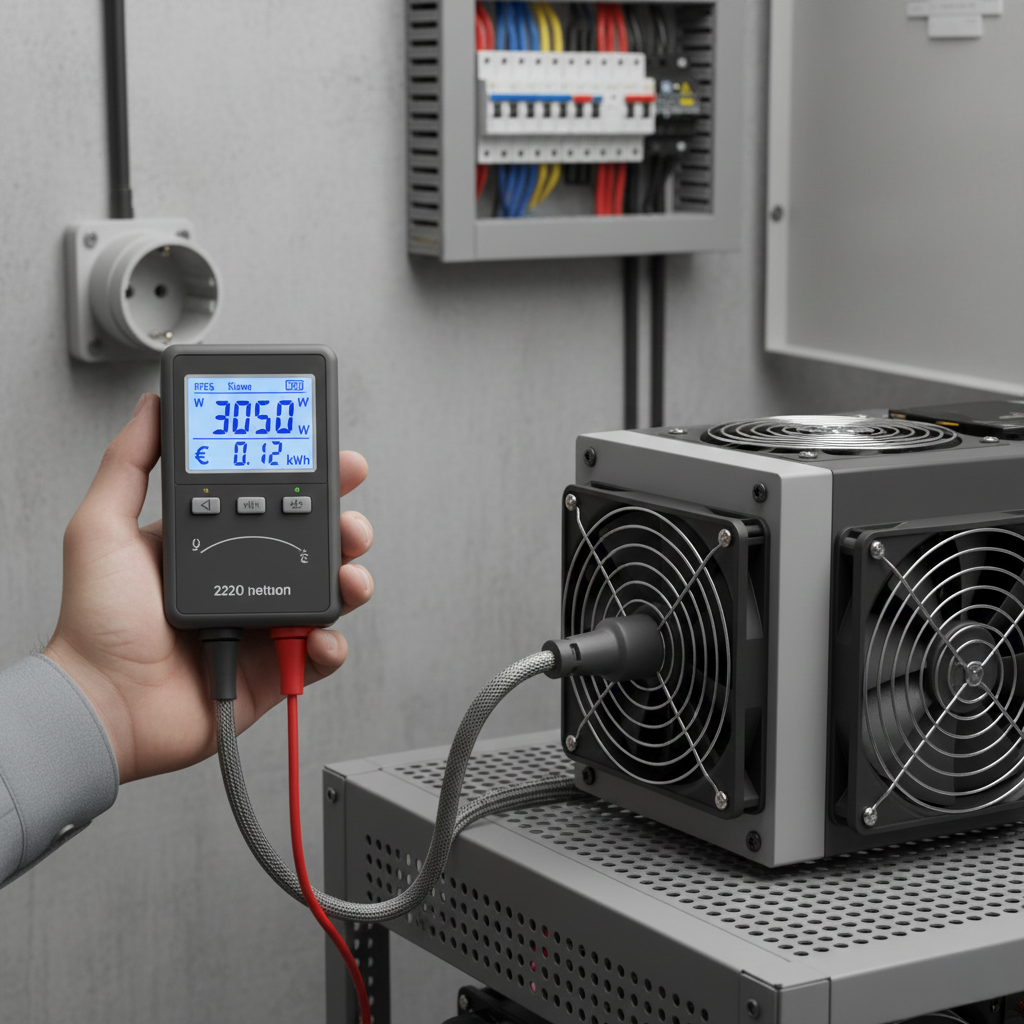
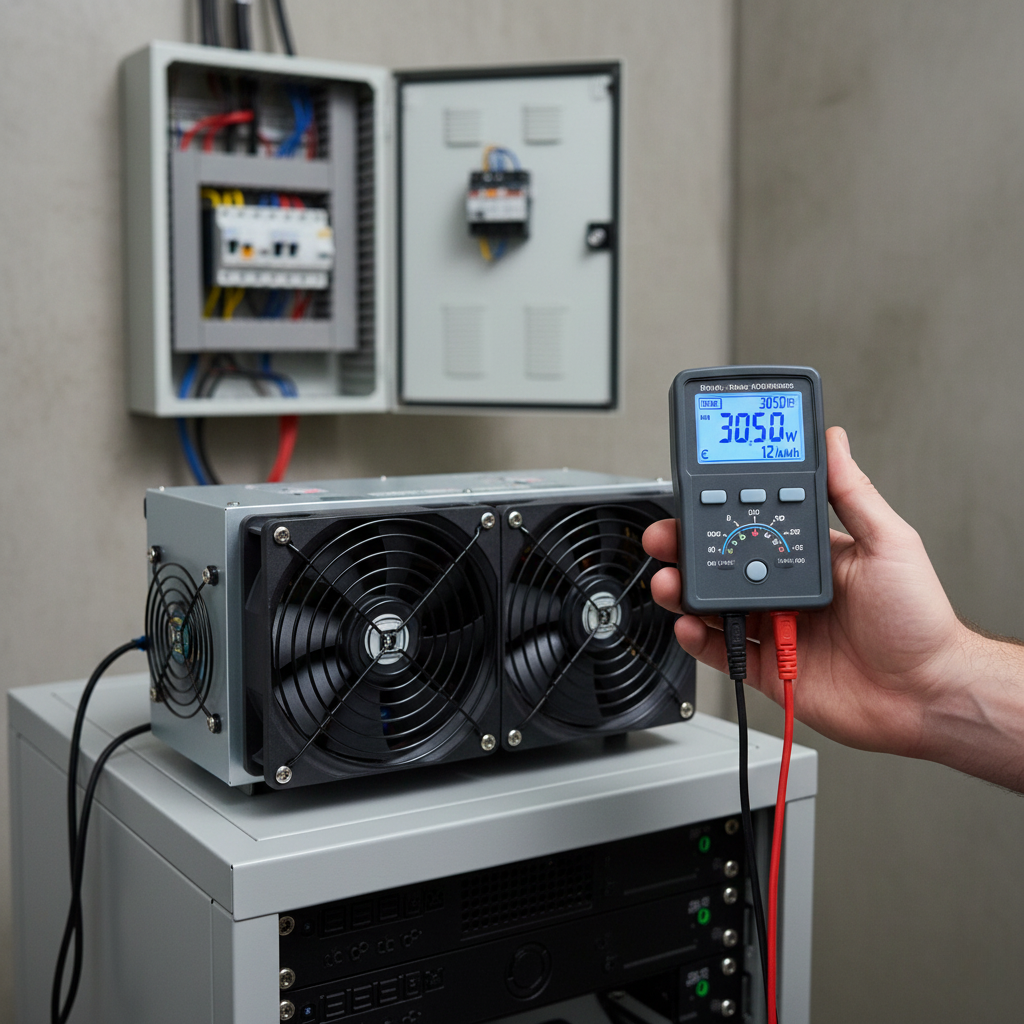
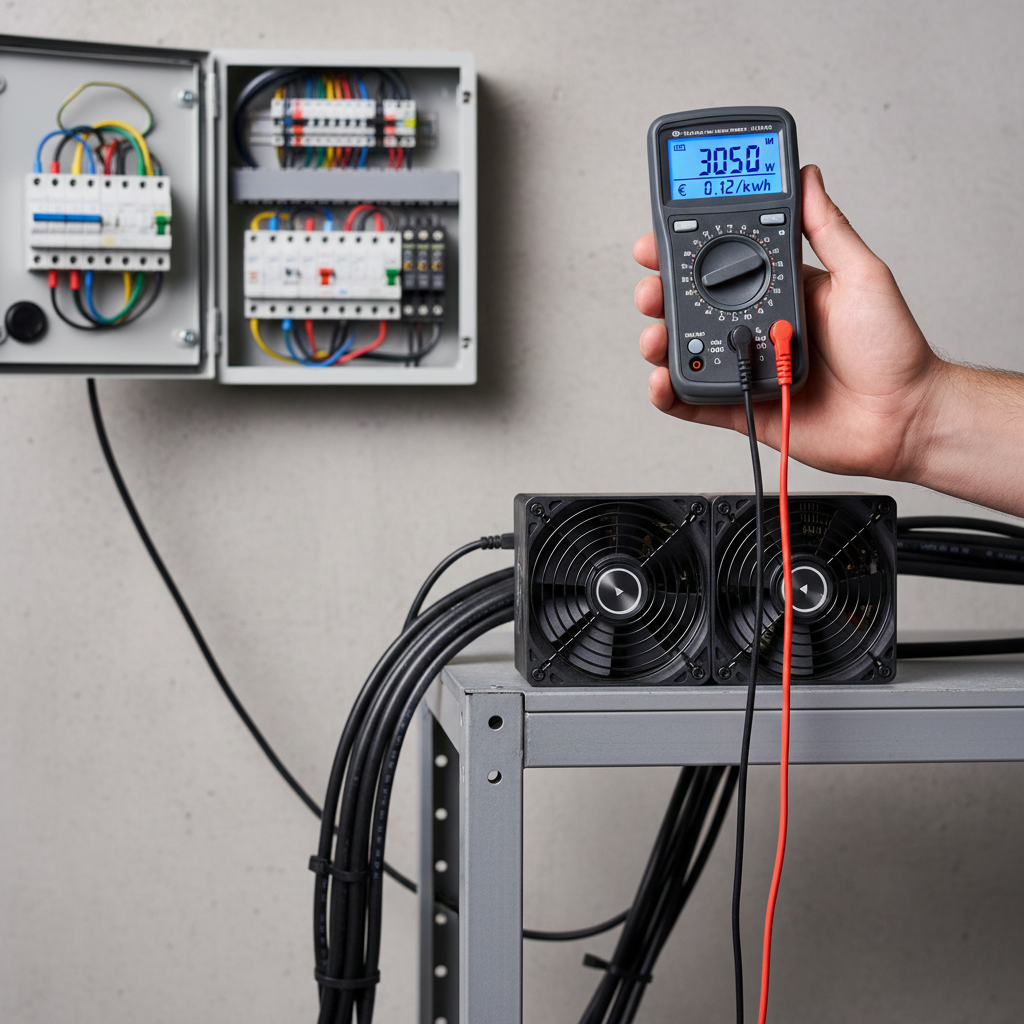
Electricity Consumption: Use a power meter to verify actual power draw matches specifications. Unexpected increases suggest failing components.
Weekly Optimization Tasks
Performance Review:
- Compare actual earnings to calculator projections
- Analyze efficiency metrics (J/TH performance)
- Review temperature trends and cooling effectiveness
- Check for firmware or pool updates
Maintenance:
- Clean dust from intake filters
- Inspect physical connections
- Verify cooling fan operation
- Check for unusual sounds indicating hardware stress
Monthly Financial Analysis
Comprehensive Profitability Review:
- Calculate actual profit after all expenses
- Compare to projected returns from initial calculations
- Assess Bitcoin price impact on profitability
- Evaluate mining difficulty adjustments
- Consider equipment resale value depreciation
Use updated inputs in the cryptocurrency mining calculator to reassess profitability monthly and adjust strategy accordingly.
Step 7: Understand Tax Implications
Cryptocurrency mining creates tax obligations in most jurisdictions. Consult with a tax professional familiar with cryptocurrency, but understand these general principles:
Tax Treatment of Mining Income
When You Mine Coins:
- Mined cryptocurrency is taxable income at fair market value when received
- Report on tax returns as self-employment or business income
- Subject to ordinary income tax rates
When You Sell Coins:
- Additional capital gains tax on appreciation from mining date
- Long-term vs. short-term rates depend on holding period
- Calculate gains/losses based on mining date value
Deductible Expenses
Potentially Deductible:
- Mining equipment purchases (depreciation)
- Electricity costs for mining operations
- Internet service fees (proportional to mining use)
- Cooling and ventilation equipment
- Maintenance and repairs
- Home office expenses (if dedicated space)
Record Keeping Requirements:
- Track all mining income (date, amount, value in USD)
- Maintain receipts for all equipment and expenses
- Document electricity usage for mining specifically
- Record all cryptocurrency transactions
Professional Guidance Recommended: Tax treatment varies significantly by jurisdiction. The above represents general U.S. guidance—consult local tax professionals for your specific situation.
Common Beginner Mistakes to Avoid
1. Underestimating Total Costs
Many beginners calculate profitability using only equipment and electricity costs, forgetting:
- Cooling/ventilation equipment ($200-800)
- Electrical infrastructure upgrades ($300-800)
- Increased home cooling costs (mining heats your house)
- Equipment depreciation and replacement
- Internet costs
- Tax obligations
Always add 30-40% buffer to initial cost estimates.
2. Ignoring Difficulty Increases
Bitcoin mining difficulty adjusts every 2,016 blocks (approximately every two weeks). As more efficient hardware joins the network, difficulty increases, reducing your relative rewards.
Planning for Difficulty:
- Assume 3-5% monthly difficulty increases in projections
- Factor reduced per-miner rewards over time
- Plan equipment upgrades or additions
- Monitor network hashrate trends
3. Overestimating Bitcoin Price Stability
Mining profitability is extremely sensitive to Bitcoin price fluctuations. A 20% price drop can eliminate profitability entirely at higher electricity rates.
Risk Management:
- Don’t leverage (borrow money) to purchase mining equipment
- Diversify with non-mining cryptocurrency holdings
- Consider dollar-cost averaging mined coins vs. immediate sales
- Maintain emergency fund for periods of unprofitability
4. Inadequate Cooling
Operating miners in hot environments reduces efficiency and accelerates hardware failure:
Temperature Impact:
- Each 5°C above optimal reduces efficiency by 2-3%
- Sustained high temperatures void warranties
- Component failure rates increase exponentially
- Costly repairs or replacement necessary
Invest in proper cooling from day one—it’s far cheaper than replacing damaged equipment.
5. Neglecting Security
Protect Your Mining Operation:
- Secure your wallet private keys offline
- Use strong, unique passwords for all accounts
- Enable 2FA on mining pool and exchange accounts
- Regularly update firmware and software
- Backup configuration settings
- Monitor for unauthorized access
A single security breach can result in losing all accumulated mining rewards.
Advanced Strategies for Experienced Home Miners
Once you’ve mastered basic mining operations, consider these optimization strategies:
Time-of-Use Rate Exploitation
If your utility offers time-of-use (TOU) pricing with lower rates during off-peak hours:
- Schedule intensive mining during low-rate periods
- Reduce operations during peak-rate hours
- Use smart timers or automated management
- Calculate optimal operation schedules
This works best with lower-power miners where intermittent operation doesn’t significantly impact hardware longevity.
Renewable Energy Integration
Home miners with solar panels or other renewable energy sources can dramatically improve profitability:
Solar Mining Benefits:
- Eliminates or reduces electricity costs during production
- Environmental sustainability
- Protection against utility rate increases
- Potential net metering benefits
A 5kW solar array can support one high-performance ASIC miner during peak sunlight hours. Battery storage extends mining into evening hours but requires significant additional investment.
Heat Recovery Systems
Mining generates enormous heat—redirect it productively:
Heat Recovery Applications:
- Space heating during cold months
- Water heater pre-heating
- Greenhouse temperature maintenance
- Swimming pool heating
Proper ducting and heat exchanger systems can offset home heating costs significantly, improving overall mining economics.
Multi-Coin Mining Strategy
Diversify mining across multiple cryptocurrencies based on profitability:
Benefits of Diversification:
- Reduced exposure to single-coin price volatility
- Opportunity to capitalize on trending coins
- Lower barrier to entry for alternative cryptocurrencies
- Better risk management
Monitor relative profitability using calculators and be prepared to switch hardware between different coins as market conditions change.
Troubleshooting Common Issues
Miner Won’t Start or Connect
Diagnostic Steps:
- Verify power supply functionality (check voltage output)
- Ensure all power cables properly connected
- Check Ethernet cable and router connection
- Inspect miner control board LED indicators
- Try factory reset (check manufacturer documentation)
- Test with different network cable
- Contact manufacturer support if hardware failure suspected
Hashrate Lower Than Expected
Common Causes:
- Inadequate cooling (thermal throttling)
- Poor network connectivity (high latency)
- Failing ASIC chips
- Incorrect firmware settings
- Inadequate power supply
Solutions:
- Improve ventilation and reduce ambient temperature
- Switch to wired Ethernet connection
- Test individual hash boards if possible
- Restore factory firmware settings
- Verify power supply meets specifications
Excessive Rejected Shares
Reasons for Rejected Shares:
- Network latency issues
- Incorrect pool configuration
- Outdated firmware
- Hardware errors
Fixes:
- Choose pool servers geographically closer to you
- Verify pool URL and port settings
- Update to latest firmware version
- Run hardware diagnostics
Overheating
Immediate Actions:
- Power down miner immediately
- Check cooling fans (all operational?)
- Clean dust from heat sinks and fans
- Verify adequate room ventilation
- Reduce ambient temperature
- Consider lowering power mode/clock speeds
Continued operation at excessive temperatures causes permanent hardware damage.
Is Home Mining Right for You? Final Assessment
Before committing to home cryptocurrency mining, honestly evaluate whether your situation supports profitable operations:
Green Lights (Good Candidate):
- Electricity rates below $0.10/kWh
- Dedicated space with adequate ventilation
- Comfortable with technical troubleshooting
- Long-term investment perspective (12-24 months minimum)
- Capital available without borrowing
- Understanding of cryptocurrency volatility
Red Lights (Reconsider):
- Electricity rates above $0.15/kWh
- Limited space or noise-sensitive environment
- Need quick returns or guaranteed profits
- Must borrow money for equipment
- Low tolerance for cryptocurrency price volatility
- Limited technical knowledge or troubleshooting ability
Alternative Options:
- Purchase and hold cryptocurrency directly
- Stake proof-of-stake cryptocurrencies
- Participate in DeFi yield farming
- Invest in mining company stocks
Mining isn’t suitable for everyone—evaluate all options before investing significant capital.
Conclusion: The Path Forward for Home Miners
Starting a cryptocurrency mining operation at home in 2025 requires more sophistication than in previous years. The post-halving landscape has eliminated easy profits, leaving only those with access to cheap electricity, efficient hardware, and operational excellence.
Success in home mining demands:
Strategic Planning: Thoroughly research and calculate profitability before purchasing equipment. Use the Mining Watchdog calculator with conservative assumptions about Bitcoin price and difficulty increases.
Quality Equipment: Invest in energy-efficient miners with efficiency ratings below 30 J/TH. Efficiency is now more important than raw hashrate.
Proper Infrastructure: Don’t cut corners on electrical setup, cooling, or ventilation. These “soft costs” determine whether your equipment operates profitably over its lifetime.
Ongoing Optimization: Mining profitability isn’t “set and forget.” Monitor performance daily, optimize settings regularly, and adapt to changing market conditions.
Realistic Expectations: ROI periods of 12-24 months are standard in 2025. Mining is a long-term investment, not a get-rich-quick scheme.
The cryptocurrency mining industry continues evolving rapidly. Stay informed about market trends, hardware developments, and profitability shifts through reliable resources. Join mining communities, participate in forums, and learn from experienced miners.
For those with favorable conditions—low electricity costs, appropriate space, and technical aptitude—home mining remains viable in 2025. Approach it as a business venture requiring careful planning, ongoing management, and patience. The rewards can be substantial, but success demands dedication to operational excellence.
Whether you choose Bitcoin, Litecoin, or alternative cryptocurrencies, remember that mining is fundamentally a bet on the long-term value of blockchain technology. Mine sustainably, secure your earnings carefully, and maintain realistic expectations about returns.
Welcome to cryptocurrency mining—may your hashrate be high and your electricity costs low.
Ready to calculate your potential mining profitability? Use our cryptocurrency mining calculator with your specific electricity rates and hardware choices. Explore detailed hardware comparisons and the latest mining trends at Mining Watchdog.
